 The Wall News
Why Cape Town Has So Many Informal Settlements
Cape Town is often described as one of the most beautiful cities in the world. With breathtaking mountains, stunning oceans, famous vineyards, and world-class tourist attractions, the city attracts millions of visitors every year.
However, behind this beauty lies a different reality.
Cape Town is sometimes described as an oxymoron — a city of incredible wealth and extreme poverty existing side by side. While it is considered one of the best cities in South Africa to live in, it can also be one of the most difficult places to survive, depending on where you are located.
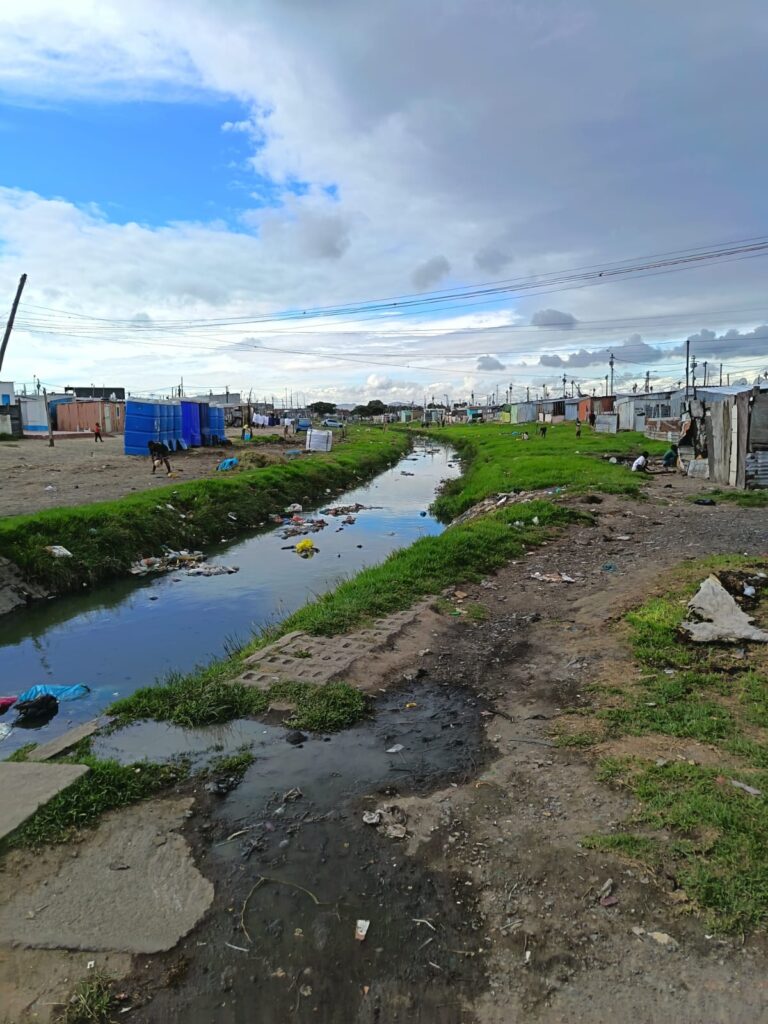
The city has many overcrowded areas and a large number of informal settlements, commonly known as squatter camps.
What Are Informal Settlements?
Informal settlements are areas where people build homes on land they do not legally own or have permission to occupy. These settlements are typically established by individuals who cannot afford formal housing.
- Proper sanitation
- Reliable electricity
- Clean water supply
- Waste management services
- Formal roads and transport access
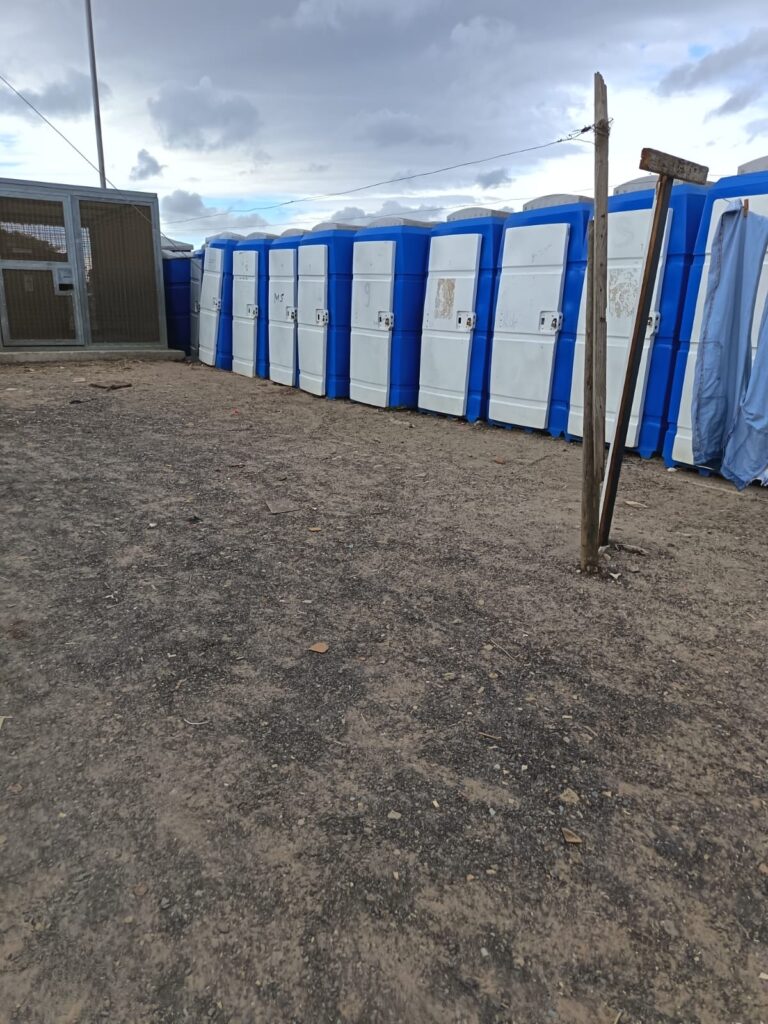
As a result, informal settlements are sometimes associated with crime, illegal dumping, poor sanitation, and social challenges. Community tensions and occasional mob justice incidents can also occur in some areas.
Why Are There So Many Informal Settlements in Cape Town?
The growth of informal settlements in Cape Town has been widely debated on social media and in political discussions. Some people blame the local government, while others believe the problem is more complex.
The reality is that there are several contributing factors.
1. Internal Migration
One major factor is internal migration within South Africa.
Many people move from provinces such as the Eastern Cape to Cape Town in search of employment and better living conditions. Large numbers of people arrive in the city each year hoping to find work and opportunities.
When formal housing is unavailable or unaffordable, some individuals settle in informal areas.
2. Population Growth in Major Cities
Like many large cities around the world, Cape Town continues to grow rapidly. As the population increases, the demand for housing grows faster than the supply.
This leads to overcrowding and the expansion of informal settlements in areas around the city.
3. Immigration and Border Control Concerns
Another issue that has been discussed publicly involves immigration and border management.
Investigations by the Special Investigating Unit (SIU) have previously revealed corruption cases involving fraudulent documents within the Department of Home Affairs.
Some critics argue that weak border control and documentation fraud contribute to population pressures in major cities.
Areas such as Dunoon and Joe Slovo Park have experienced significant population growth, with some residents claiming that undocumented migrants are contributing to the increasing pressure on housing and services.
Is There a Solution?
There is no simple solution to the informal settlement challenge.
Housing shortages, economic inequality, migration, and urbanisation all play a role. Addressing the problem requires cooperation between national, provincial, and local governments.
Possible long-term approaches include:
- Building more affordable housing
- Improving urban planning
- Strengthening economic development in rural provinces
- Tackling corruption in government systems
- Improving border and immigration management
Final Thoughts
Cape Town remains one of the most beautiful cities in the world, but its deep inequality highlights the broader challenges facing South Africa.
Until economic opportunities and housing development improve across the country, the growth of informal settlements will likely remain a major issue for the city.